A Library of Hope Reflection on Censorship, Press Freedom, and Civic Care

A Story Silenced
CBS pulled a 60 Minutes investigation just hours before it aired after
pressure from the Trump administration. The story shows Venezuelan
asylum seekers who were here legally dumped into one of the most
brutal prisons on Earth, labeled “terrorists” with no proof, disappeared,
and tortured. Instead of exposing the abuse, CBS chose silence. Fortunately, the story was aired in Canada and you can watch it below:
https://archive.org/details/insidececot
This Is Censorship
As Senator Murphy explains, that’s censorship. And when journalists need government approval to report the truth, we don’t have a free press, we have a mouthpiece.
Free Press
Reports truth without government interference
Mouthpiece
Requires approval before publishing stories
In the Library of Hope, we pause here—not to debate political sides, but to notice a pattern.
Censorship rarely begins with stories most people think apply to them. It begins at the edges—with people we’re told are distant, dangerous, or “not like us.” But once a story can be buried, any story can be buried—especially the ones that protect our everyday lives.
This Pattern Affects All of Us
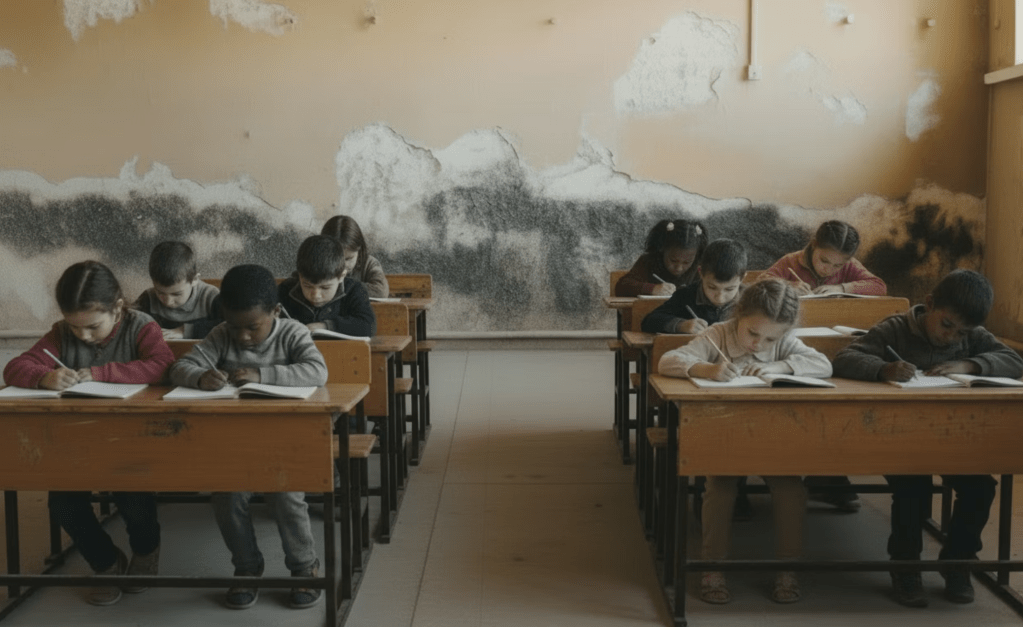
Today it’s a story about torturing migrants. Tomorrow it could be about the lead in your tap water. Or the mold in your kid’s school. Or the factory dumping chemicals near your neighborhood. The pattern is set: first the story disappears, then accountability does. When any story can be buried, censorship becomes normal, complicity follows, and democracy begins to die.
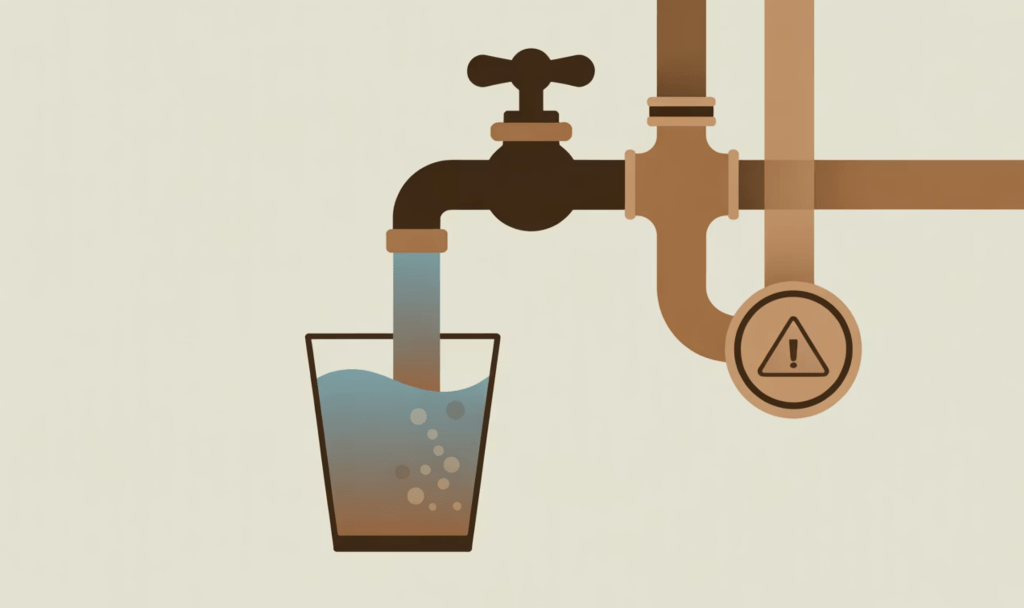
Lead in tap water
This silent threat, if left unreported, endangers countless communities, especially our children. Stories like these can be deliberately buried.
Mold in schools
The health and safety of our students should be non-negotiable. Yet, hazardous school environments can go unnoticed and unreported.

Chemical dumping
Unchecked corporate disregard for environmental safety can silently poison our neighborhoods, and the media might look the other way.
Staying Oriented When Systems Look Away
The question becomes: how do we stay oriented in a system that sometimes tries to look away? One answer is simple and deeply civic: we support journalism that doesn’t ask permission to tell the truth.
Fight Back: Support Independent Journalism
Follow Democracy Now! — they’ve been reporting without corporate strings for 28 years.
Then Pick ONE other Independent Outlet to Support:
Grist
Covers climate and environmental issues with real-world solutions.
Inside Climate News
Holds polluters accountable for climate damage.
Mother Jones
Investigates power, corruption, and injustice.
ProPublica
Exposes abuse of power and the damage it causes the public.
Reveal
Investigates government abuse and injustice
Share their work. Fund them if you can. Treat press freedom as a public good.
Participation Is a Hopeful Civic Act.
Independent media doesn’t survive on outrage.
It survives on participation.
And participation—quiet, steady, informed—is one of the most hopeful civic acts we have.
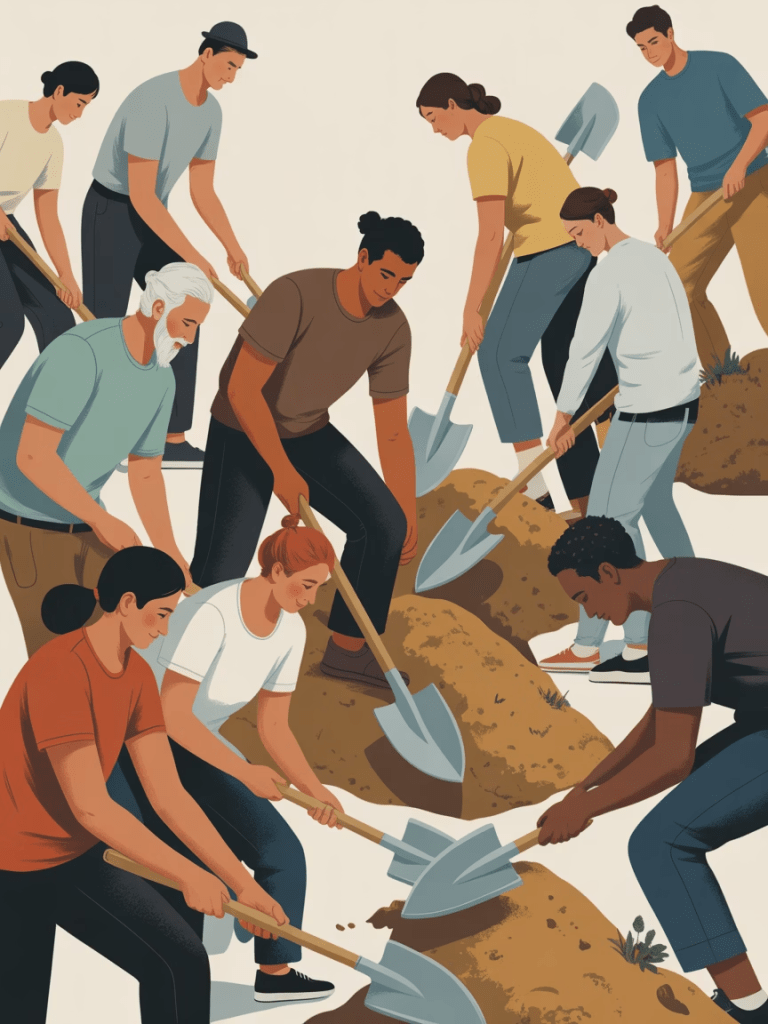
When the truth is buried, it’s our responsibility to dig it back up – together.
Reflection Questions
The questions below support calm reflection by helping you notice emotions, clarify your thinking, and reconnect with personal agency. Using a coaching lens, the goal is not agreement, but thoughtful inquiry and respectful conversation.
What feelings came up for you as you read this—and where do you notice those feelings in your body?
(This grounds the conversation before opinions take over.)
When you hear that a story was pulled or buried, what part of you reacts first—the protector, the skeptic, the exhausted one, or the curious one?
(Helps people notice patterns without judgment.)
Can you recall a time when important information reached you late—or not at all?
How did that delay affect your trust, your choices, or your sense of safety?
Which kinds of stories feel easiest for society to ignore or dismiss—and which ones feel hardest to question?
(Invites systems thinking without naming “sides.”)
What is one small, realistic way you could support truth-telling this month—without burning out or taking on too much?
(Moves gently toward agency, not pressure.)
Moving Forward Together
Truth needs witnesses
When we choose to stay informed, to support independent journalism, and to ask thoughtful questions, we become part of a larger network of care and accountability.
 path to impact coaching
You must be logged in to post a comment.